
What Should I look For In A Solar Installer?
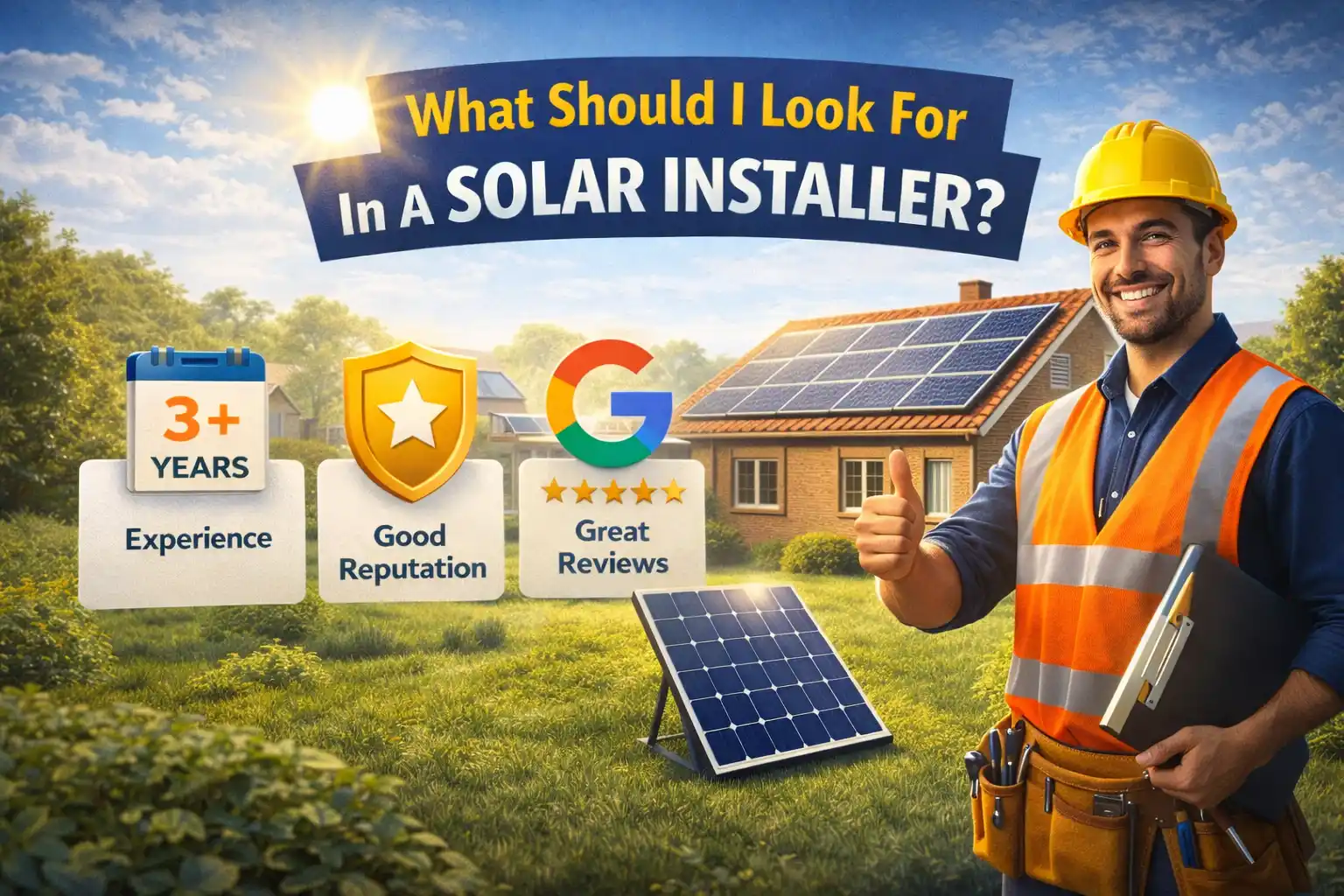
Choosing a good solar installer in Australia is very important for a good solar system installation service. A good solar installer = long-term savings, a bad solar installer = years of problems. Here’s a 10 simple, practical checklist you should follow:
1. Clean Energy Council Approved - Must check
When you choose a solar company, always select those that are CEC (Clean Energy Council) approved solar panel installers. If CEC has not approved the company, you can not claim government rebates on the solar system. These types of companies may provide poor-quality solar products to you, so always consider a well-known and trusted solar company like Solar 365, Koala Solar, and more.
2. Proper Electrical License
Always check that the electrician is licensed because solar work involves grid connection, so safety is critical. Ignore if the company is only a sales company.
3. Who Will Actually Install the Solar System
Ask the solar company if an accredited installer will be on-site? Are workers employees or cheap contractors? Always clear all solar doubts with an expert. Installers paid per job may rush and cut corners.
4. Experience And Track Record
Prefer a solar company with at least 3 years of experience in solar installations. Choose a provider that offers complete end-to-end services, including design, installation, and after-sales support. It’s also important to select a company with strong Google reviews, as this reflects customer satisfaction and reliability.
Since solar is a long-term investment (20–25 years), choosing a reputable and experienced solar company is essential to ensure quality performance and peace of mind.
Related: Top 5 Local Solar Panel Installers
5. Detailed System Design (Not a Generic Quote)
A good solar installer checks your electricity bill, roof direction, shading, usage, and then recommend you a right solar system for your property. If any solar installers suggested a low-quality or cheap type of solar system to you, avoid them; they just focus on sales.
6. Use of Government-Approved Products
Solar panels and solar batteries must be on the approved list by the CEC. If they are not in a CEC-proven solar product, then you cannot get rebates on your solar system.
7. Transparent Pricing (No Fake Discounts)
A good solar installer helps you to understand how STC works and how you get rebates on a solar system. After all rebates are applied, compare the final price, not only the discount. Huge rebates are available on solar panels and solar batteries.
Related: Latest Solar Panels and Battery Deals
8. Warranty and After-Sales Support
Check the solar product warranty:
Solar panel warranty (usually 25 years)
Solar inverter warranty (5-10 years)
Solar batteries warranty (usually 10 years)
Workmanship warranty (5 -10 years)
Ask the solar installers what happens if something fails? They provide after-sales support to their
customers or not.
9. Customer Support and Communication
If the solar experts value your time and give quick replies, clear answers to your questions, and no pressure selling, they are a good solar company. But if they are slow before sale, then worse after installation.
10. Retailer credibility (Bonus Check)
Look for companies under the New Energy Tech Customer Code (NETCC). Means better consumer protection.
Major Red Flags (Avoid Immediately)
No accreditation
Very cheap quote (too good to be true)
No written contract
Pushy sales tactics
Unknown brands for panels/ inverter
Final Words
Simple rule for a good solar company (remember this): CEC Accredited + Experienced + Transparent = good installer like Solar 365, Koala, and more.